
Smart security has long been measured by how many devices connect, how quickly data moves, and how extensively systems rely on cloud intelligence. But a quiet shift is unfolding. Offline cameras are proving that “smart” does not require constant Wi-Fi or endless connectivity. Instead, they show that real intelligence comes from purposeful design: devices that make decisions locally, remain resilient when networks fail, and perform consistently without daily user intervention. And this shift reflects in the way that eufy builds its offline-ready systems. By reducing dependence on external inputs, these cameras reveal an updated definition of smart security—one centered on self-sufficiency and clarity of function.
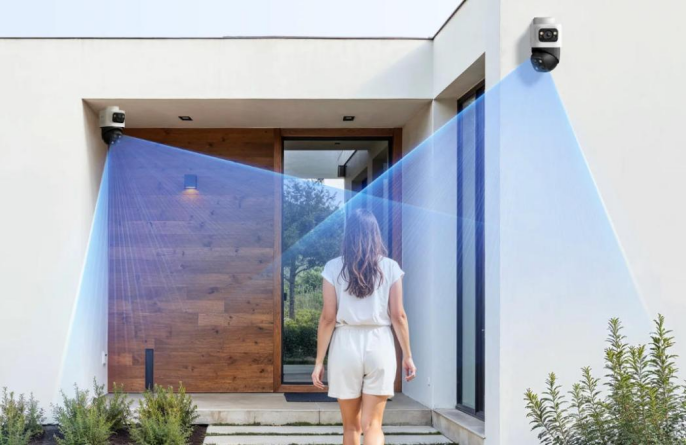
Autonomy As the New Benchmark for Smart Security
Intelligence That Lives Inside the Device
When a security system interprets the world locally—detecting motion, evaluating scenes, and making moment-by-moment decisions—it breaks away from the old belief that intelligence must live online. This internal decision-making reduces lag and creates a steady operating rhythm you can rely on, even during outages. A camera that thinks independently does not wait for cloud instructions; it reacts because it understands what it sees. And the eufy handles this type of on-device clarity well, giving them a system that behaves predictably without the fragile backbone of external servers.
A System That Favors Function Over Constant Connection
Smart used to mean “always online.” Now, offline cameras show that smart can also mean “always working.” They remain alert even when routers reboot, signals weaken, or bandwidth gets crowded by other household devices. This reliability makes people reconsider what they expect from home security. Instead of flashy integrations, they find value in a device that handles its job every minute of the day, and that eufy keeps its focus on function first, ensuring that the essential elements—monitoring, recording, reacting—stay uninterrupted.
Freedom From Routine Digital Maintenance
Connected devices often rely on constant updates, syncing routines, subscriptions, or cloud access to function properly. Offline cameras challenge this model by offering a simpler, more self-contained experience. They operate reliably without ongoing digital maintenance, creating a calmer rhythm for home security. Users no longer feel pressure to check apps daily, manage notifications, or troubleshoot network issues. Many eufy users appreciate this sense of calm, as security feels stable and predictable. By reducing dependency, the system becomes easier to trust, maintain, and live with over time.
Reliability and Presence as the Core of Smart Performance
A System That Responds No Matter the Network Conditions
A “smart” system must show up when needed. Offline cameras excel here because their performance does not rise or fall with Wi-Fi strength. They function with the same precision in a remote shed, a detached garage, or a corner of the property where the signal fades. This consistent presence is what many homeowners actually want: not a device that integrates everywhere, but one that works anywhere. People will notice this if using eufy in locations far from the router—its steadiness redefines reliability in practical terms.
Privacy Embedded Into the Device’s Architecture
Offline cameras stand apart in today’s smart-device ecosystem by operating without constantly transmitting data elsewhere. There are no routine uploads, no continuous streams of footage sent to remote servers, and no reliance on cloud-based infrastructures to function properly. As a result, privacy is not an optional setting but an inherent part of the system’s architecture. For users who prioritize ownership and control of their recordings, eufy’s local-first approach offers reassurance. It reshapes smart security into a solution that feels more intimate, self-contained, and genuinely respectful of private home life.
Adaptability Without Infrastructure Requirements
Traditional smart systems expect infrastructure—strong Wi-Fi, stable electricity, and constant connectivity. Offline cameras invert this expectation. They can operate where infrastructure is minimal, seasonal, or nonexistent. This flexibility expands what “smart security coverage” means. A device that functions on its own terms gives users freedom to secure spaces that previously seemed impractical to monitor. This is where a no wifi security camera reveals its distinct advantage: it does not ask for ideal conditions in order to deliver meaningful protection.
Conclusion
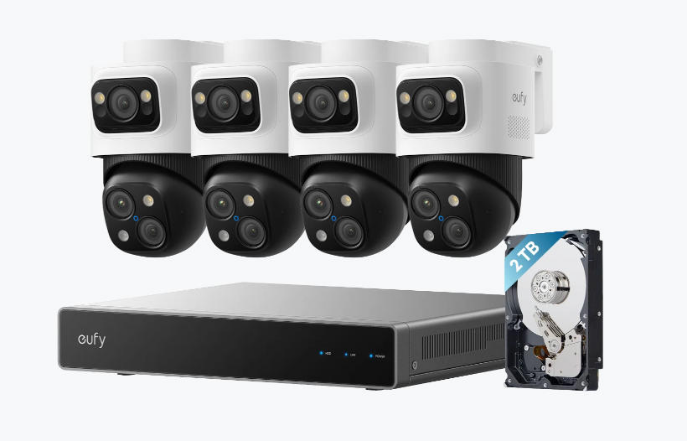
Offline cameras reshape the way we understand smart security. Instead of tying intelligence to connectivity, they frame intelligence as autonomy, presence, and purpose-driven design. These devices prove that being smart is not about how many systems a camera talks to but how well it behaves when left on its own. Eufy reflects this shift through products that prioritize local decision-making, privacy, and dependable function. As this perspective becomes more widely adopted, offline cameras offer a new standard: smart security built on independence, resilience, and a steady sense of control that holds true across different environments.